Français
 Español
 Deutsch
 English
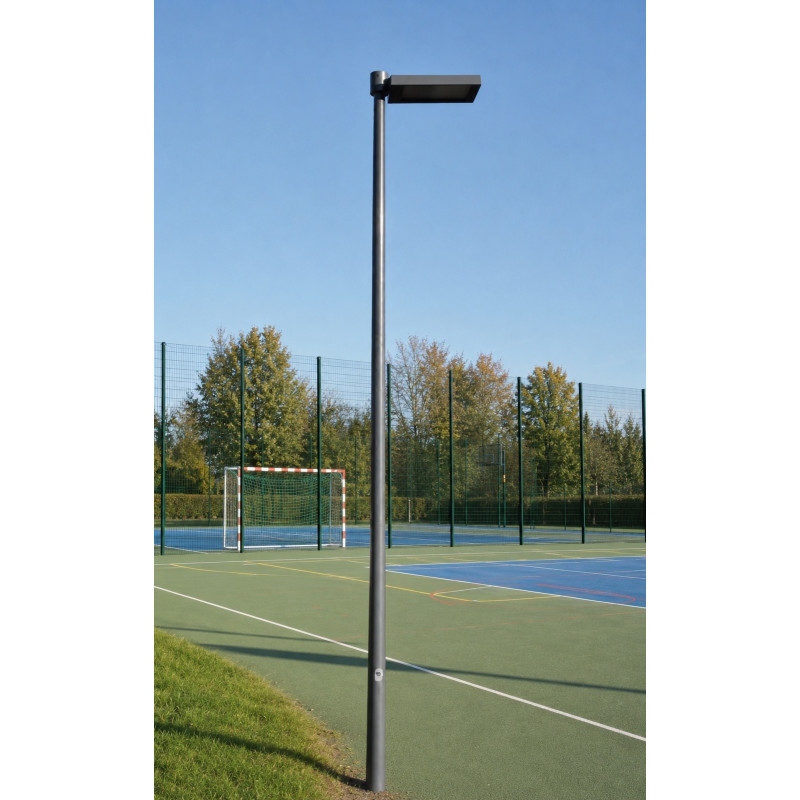
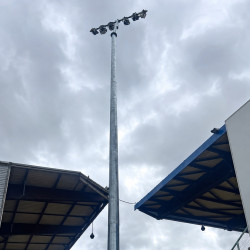
CONICA 20000 is a cylindrical-conical pole designed for lighting multi-sport courts, tennis courts, pétanque areas, and local sports facilities. The STADÉLUM range offers heights from 4 to 12 meters, allowing the installation to be tailored to the court dimensions, projection distances, and desired visual comfort. The specific model selected also depends on the number of floodlights, their weight, their wind-exposed surface area, and the equipment installed at the mast head. Each configuration must be verified against photometric analysis, site conditions, and civil engineering constraints.
Tapered cylindrical pole for outdoor sports lighting
A selection from 4 to 12 m for outdoor sports facilities
CONICA 20000 is a range of tapered cylindrical poles designed for installations where floodlights are positioned close to the playing area. The height, pole-top equipment and reference must be defined according to the lighting study, loads and wind conditions at the site.
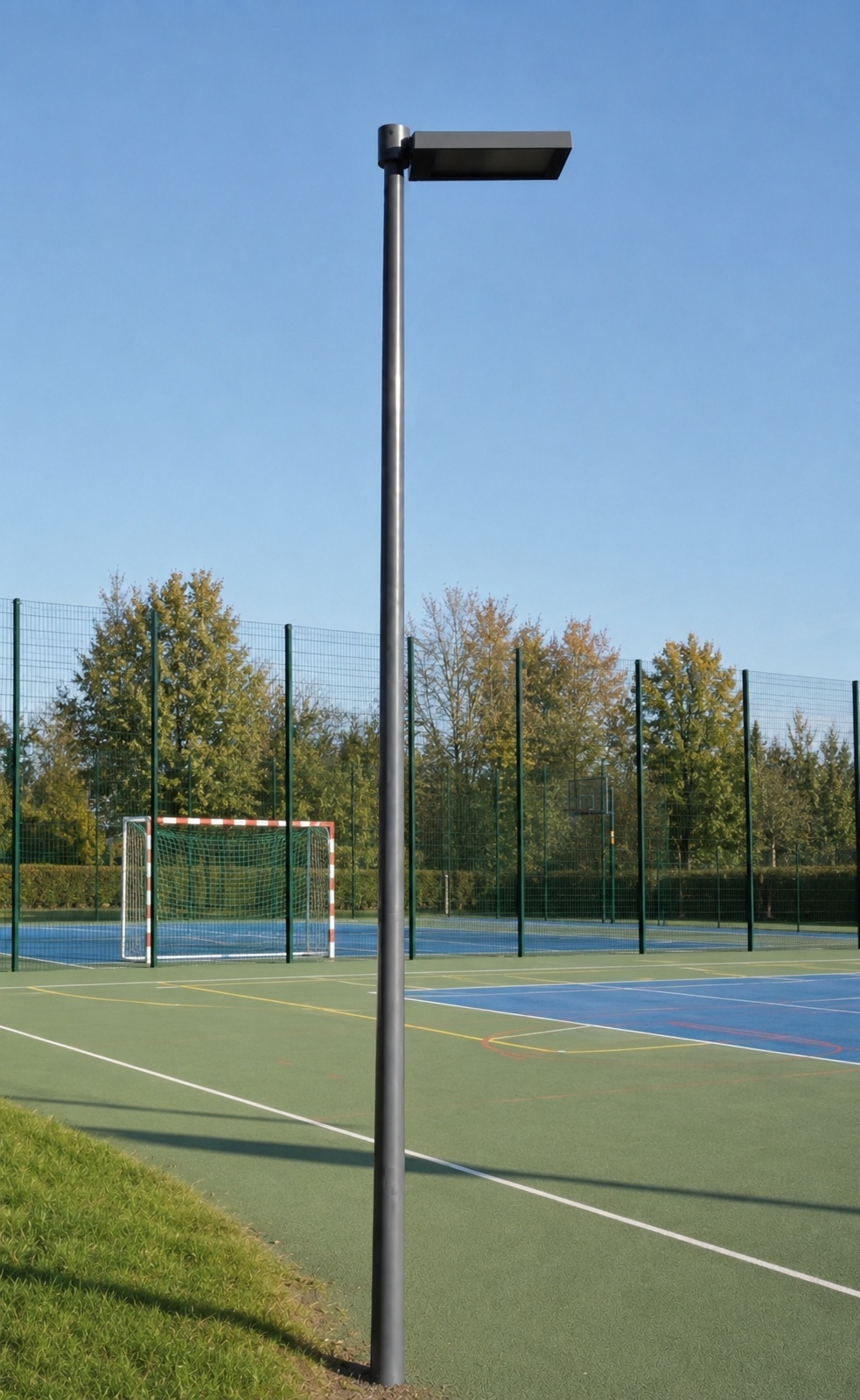
STADÉLUM commercial selection
in 0.5 or 1 m increments depending on height
wind speeds shown in the manufacturer's tables
according to floodlights and layout
according to loads, wind and soil characteristics
A pole integrated into the lighting study
A pole that is too low may require significant tilt angles and increase the risk of glare or light being directed outside the useful area. Excessive height increases projection distances and may change the required power.
STADÉLUM therefore links pole selection to the photometric study: position of lighting points, height, optics, aiming, required illuminance, uniformity, visual comfort and installed power.
Recommended applications
The cases presented below are typical configurations. They do not replace a study of the site, surrounding area, loads and photometric layout.
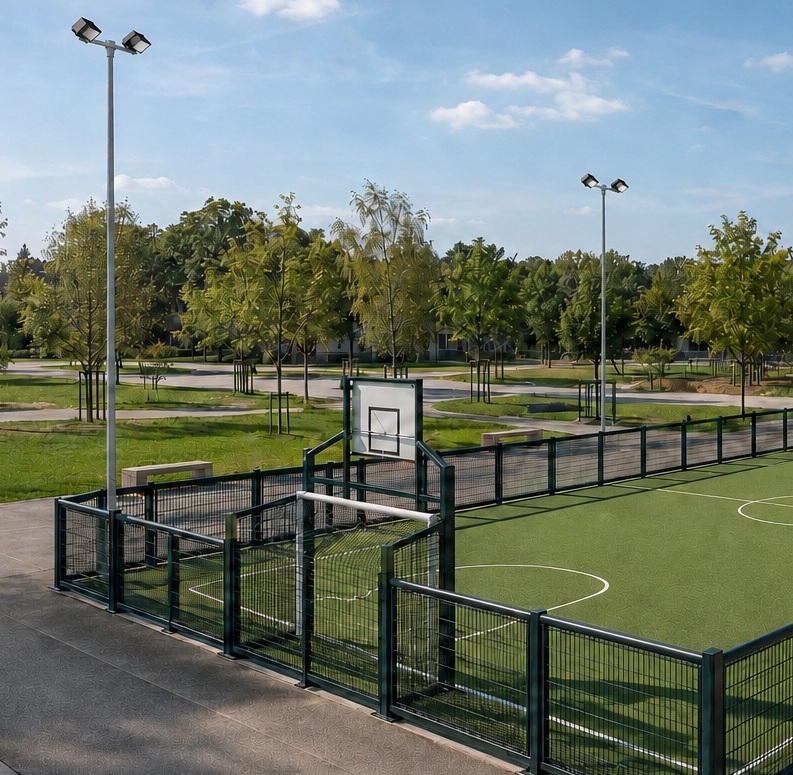
Setbacks, fencing, multi-sport uses and nearby homes must be included in the study to limit glare and spill light.
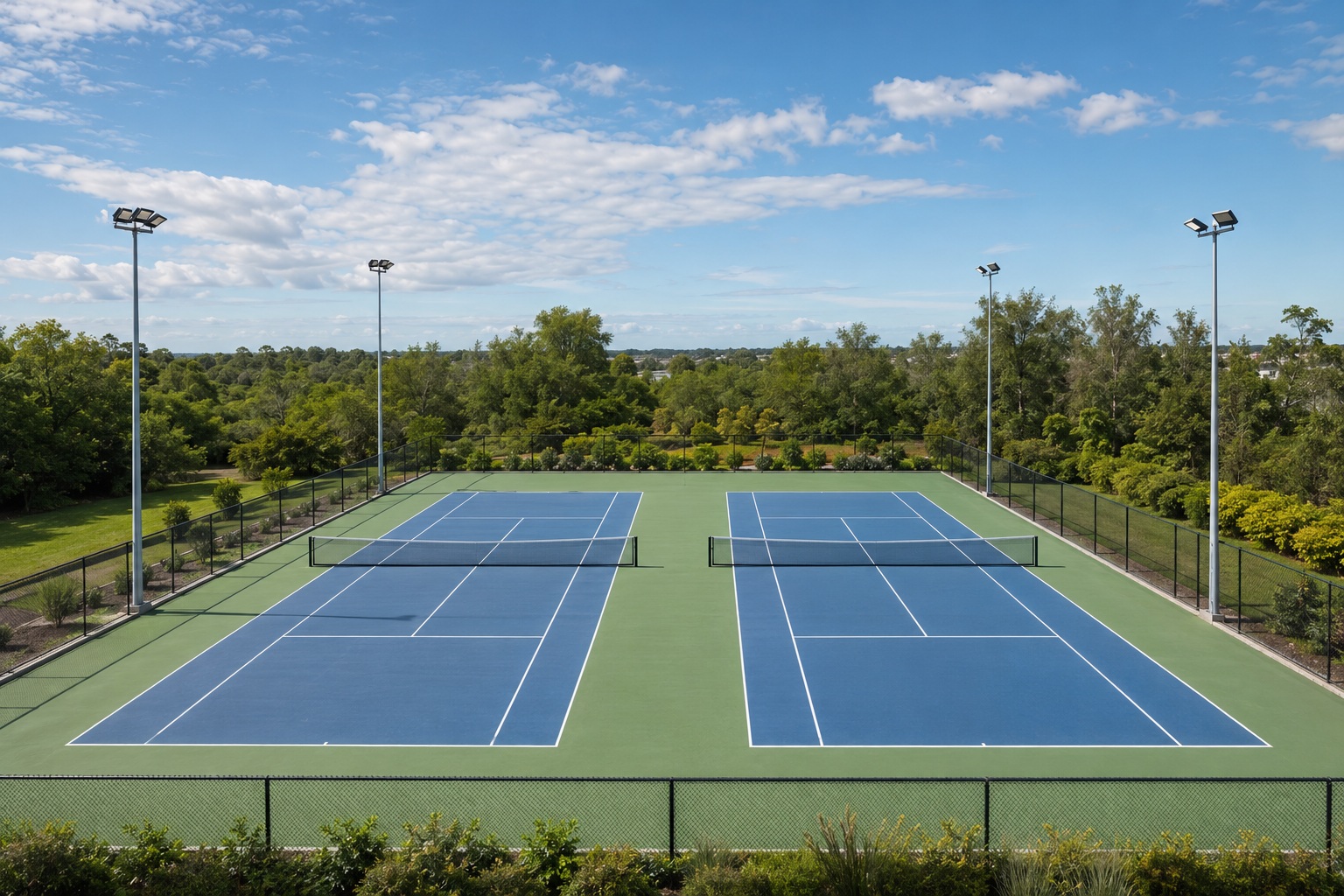
Height and position must be coordinated with the playing lines, fencing, viewing directions and selected optics.
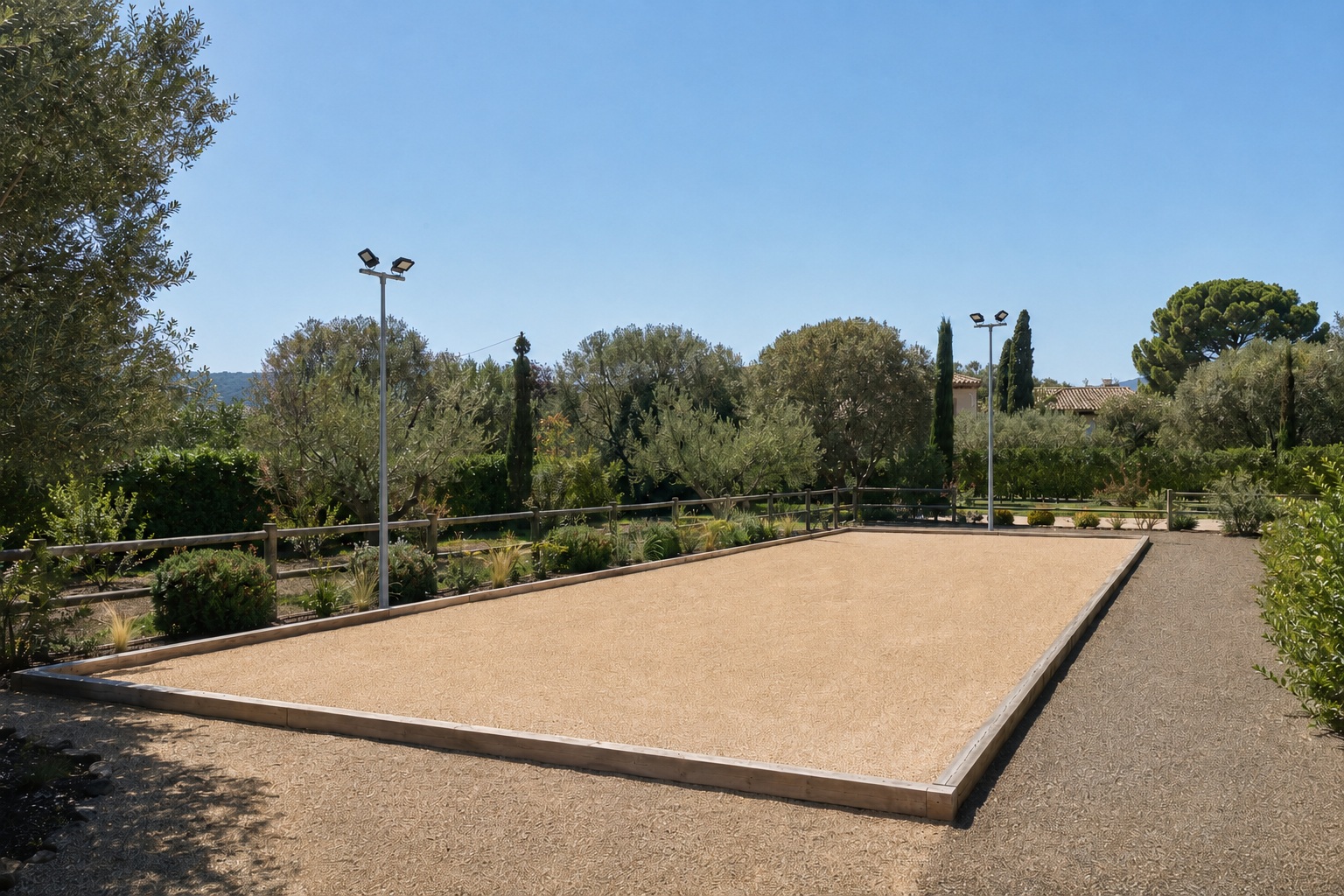
The layout aims to provide even distribution across the playing areas, with controlled contrasts and a number of lighting points suited to the site.
The range can be considered for other local facilities provided that the sport, dimensions, setback, loads and surrounding environment are checked.
4 to 12 m selection
The manufacturer's documentation covers a wider range from 3 to 12 m. The STADÉLUM product page presents the selected commercial range for outdoor sports facilities here, from 4 to 12 m.
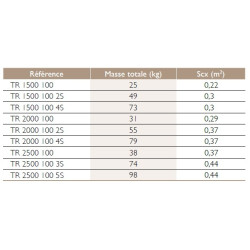
Weight increases with height and is not, on its own, a capacity criterion. Permissible surface areas and wind conditions must be checked for the exact reference.
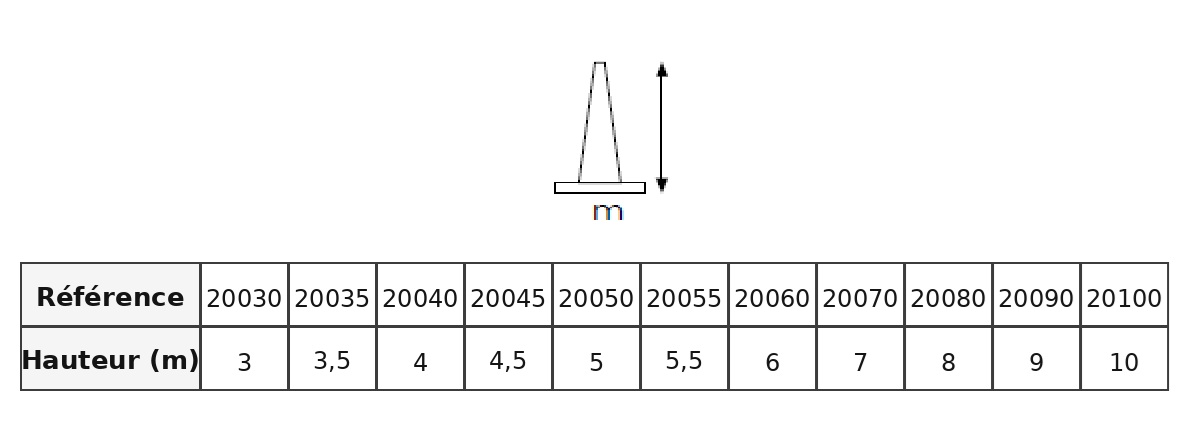
| Reference | Height | Stated weight | Indicative positioning |
|---|---|---|---|
| 20040 | 4 m | 30 kg | Installation very close to the useful area |
| 20045 | 4.5 m | 35 kg | Small court or local sports area |
| 20050 | 5 m | 39 kg | Low-height configuration |
| 20055 | 5.5 m | 44 kg | Intermediate height |
| 20060 | 6 m | 49 kg | Multi-sport court, pétanque or small sports area depending on the study |
| 20070 | 7 m | 67 kg | Greater reach and setback |
| 20080 | 8 m | 80 kg | Tennis or local sports facility depending on the layout |
| 20090 | 9 m | 93 kg | Increased projection distance |
| 20100 | 10 m | 107 kg | High-height configuration within the CONICA range |
| 20120 | 12 m | 140 kg | Maximum height in the presented selection |
The same height may be suitable for several sports or unsuitable depending on setback, optics, loads, wind conditions and the required lighting level.
Selection guide
To be considered for certain pétanque courts, small multi-sport courts or sports areas with limited dimensions. Tilt angles and visual comfort are priorities.
This range increases lighting reach while maintaining a height suited to local sports facilities.
To be considered when the poles are positioned further away from the useful area, when the geometry requires longer projection distances or when the configuration justifies the 12 m reference.
Wind, weight and projected surface area
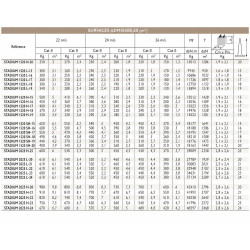
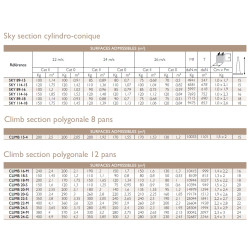
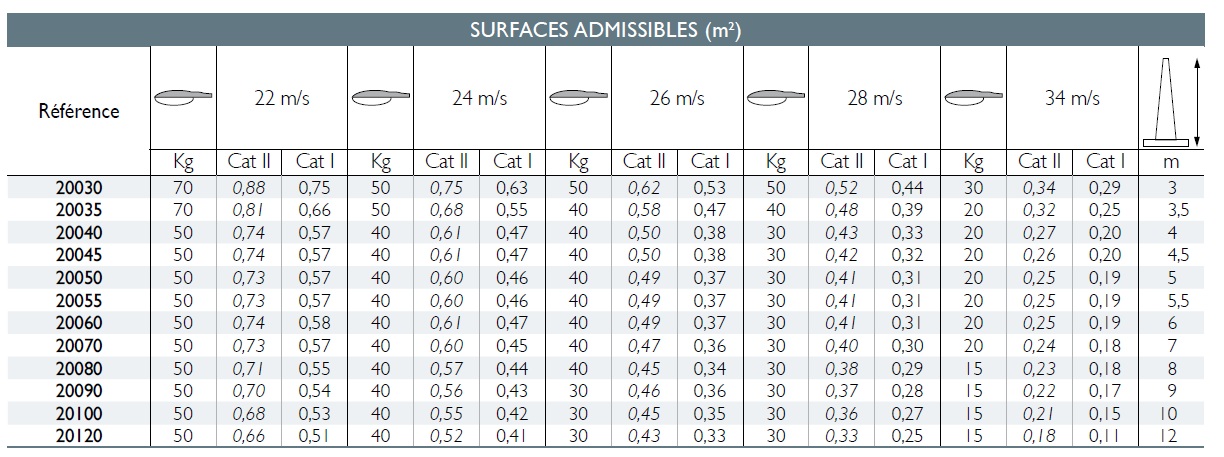
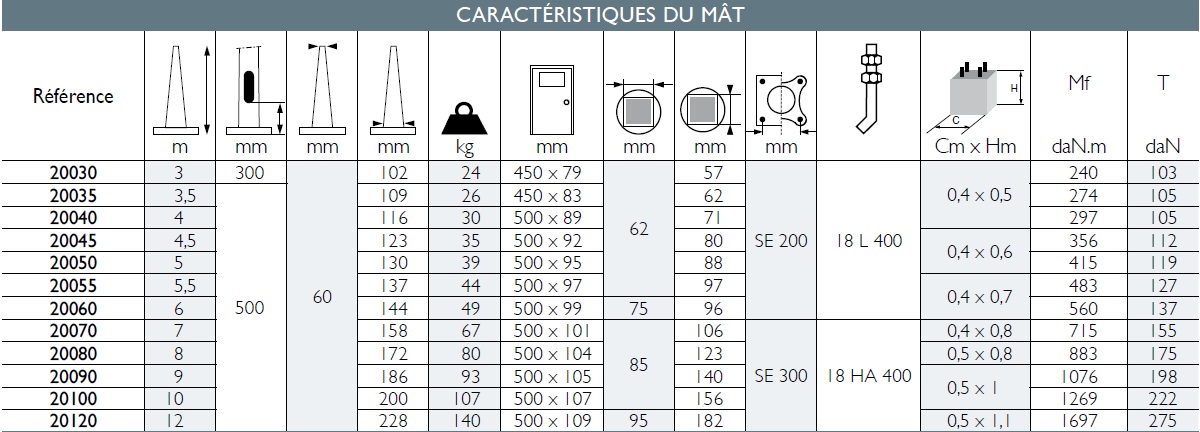
The manufacturer's tables show permissible surface areas according to the reference, several wind speeds and different categories. The verification must cover the entire pole-top assembly, not only the surface area of a single floodlight.
Pole-top equipment
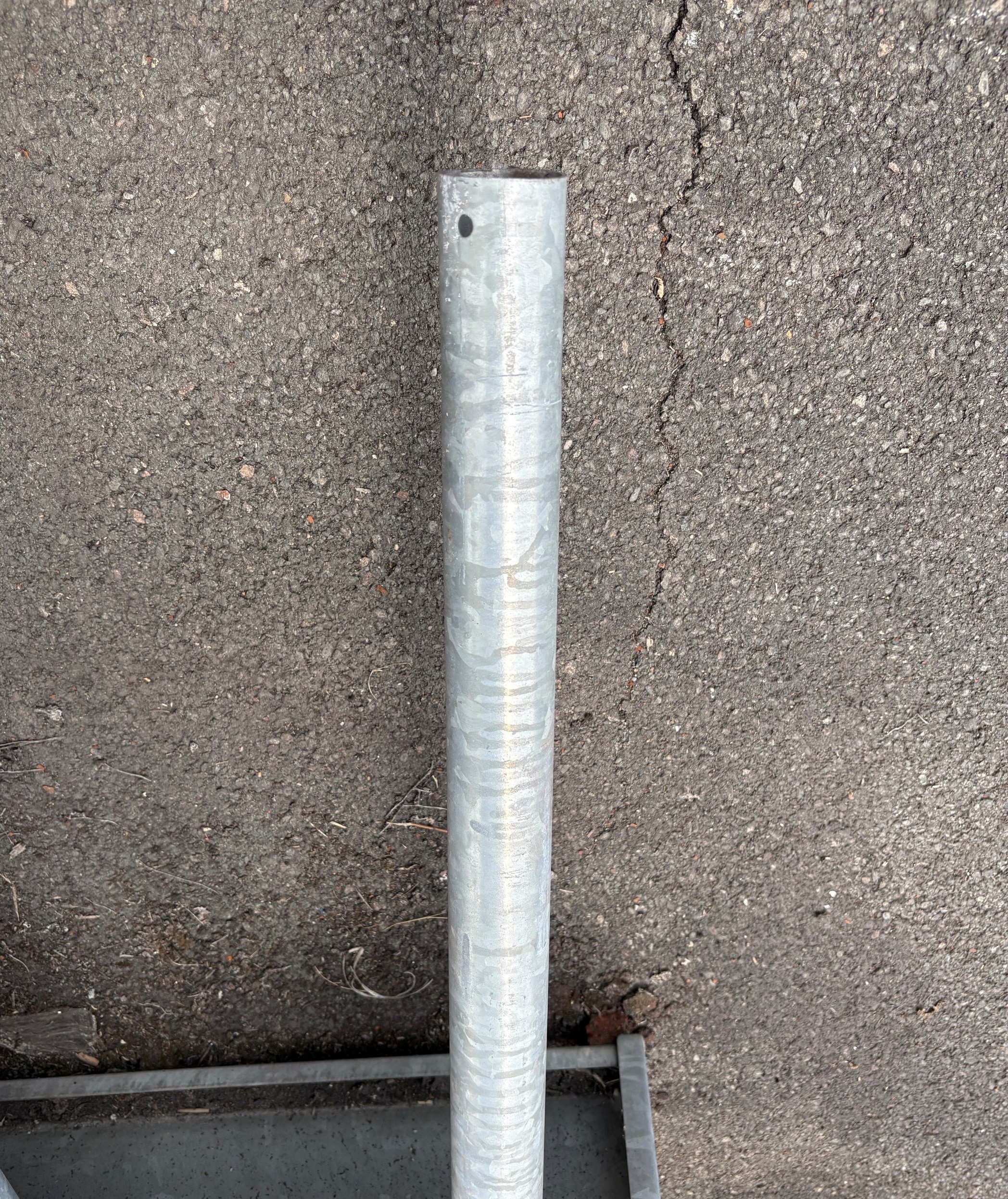
The documentation specifies threaded holes positioned 120 and 220 mm from the top. This information facilitates the design of certain mounting configurations, but compatibility of the bracket, drilling points and loads must be confirmed for the actual configuration.
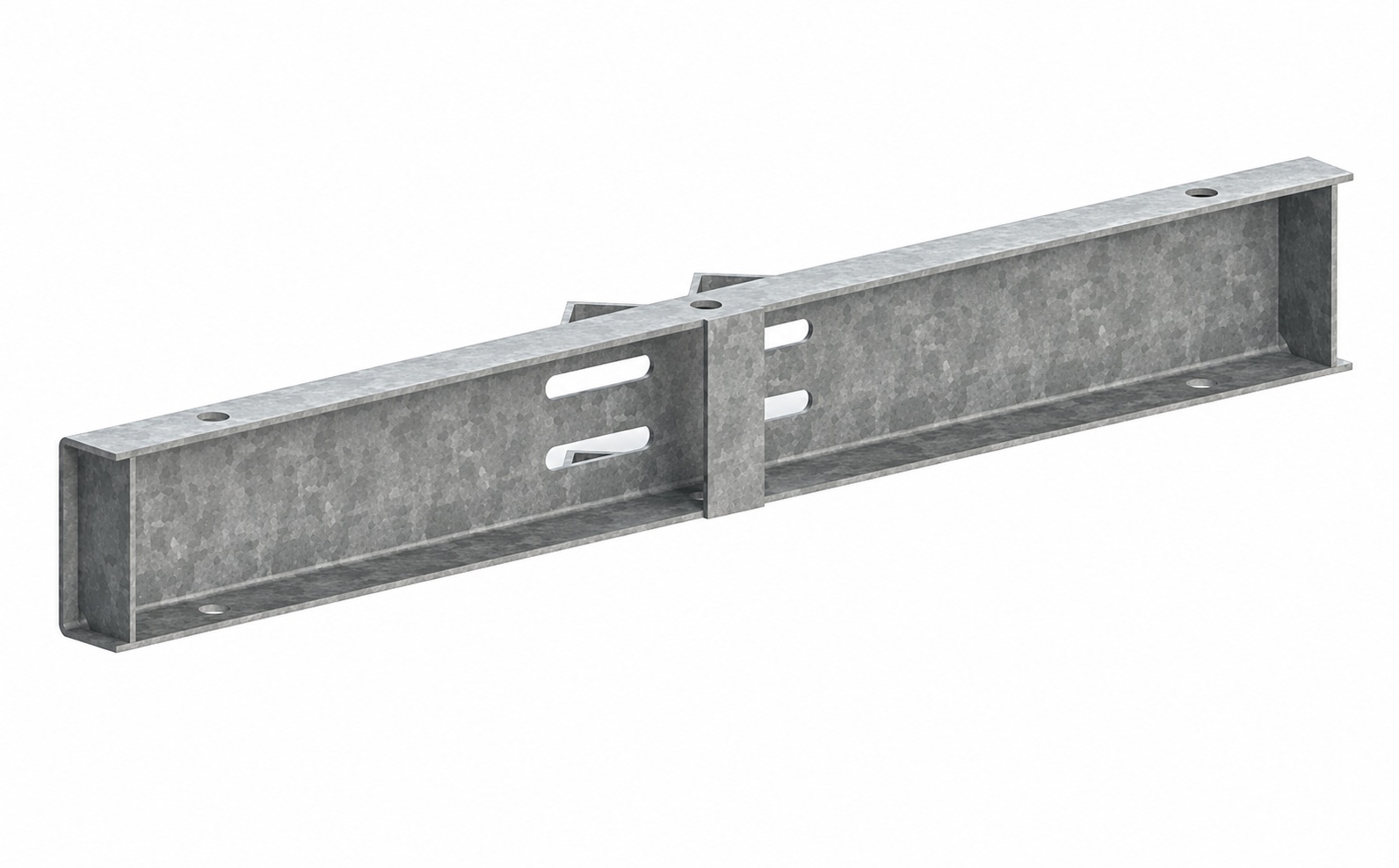
Compatible pole-top accessories
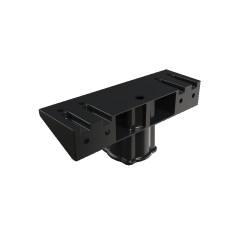
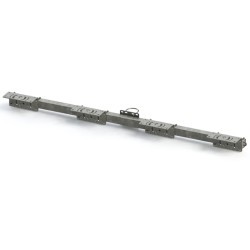
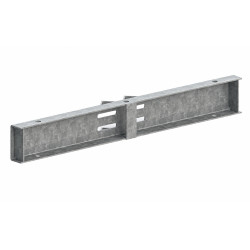
The choice between a straight crossarm and a compact bracket depends on the number of floodlights, their weight, SCx, orientations and the pole-top diameter. The presence of a product link does not constitute mechanical approval.
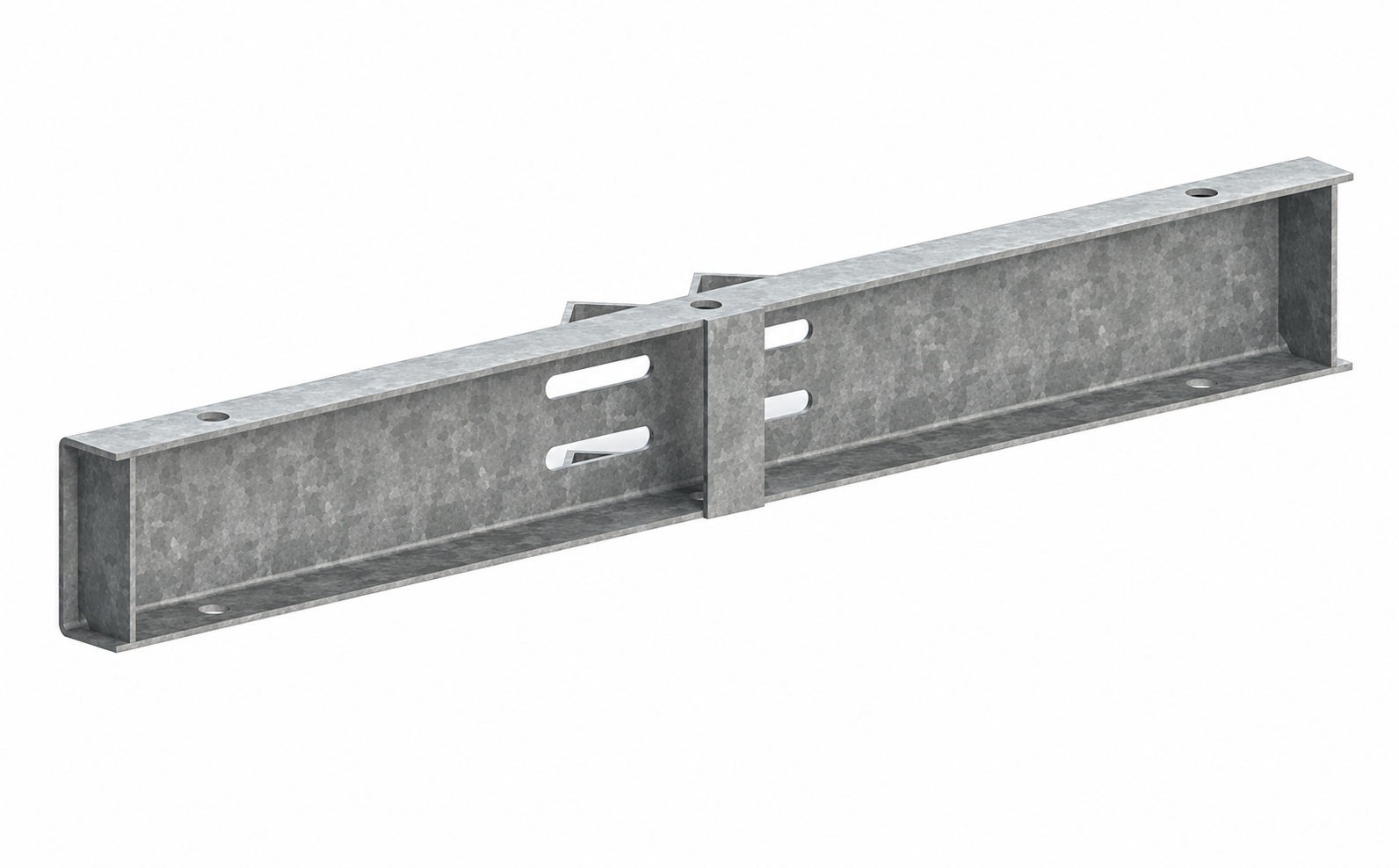
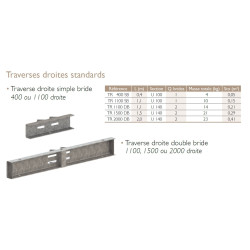
Single- or double-clamp versions for distributing floodlights according to the photometric layout. The clamp diameter must be adapted to the CONICA reference.
View straight crossarms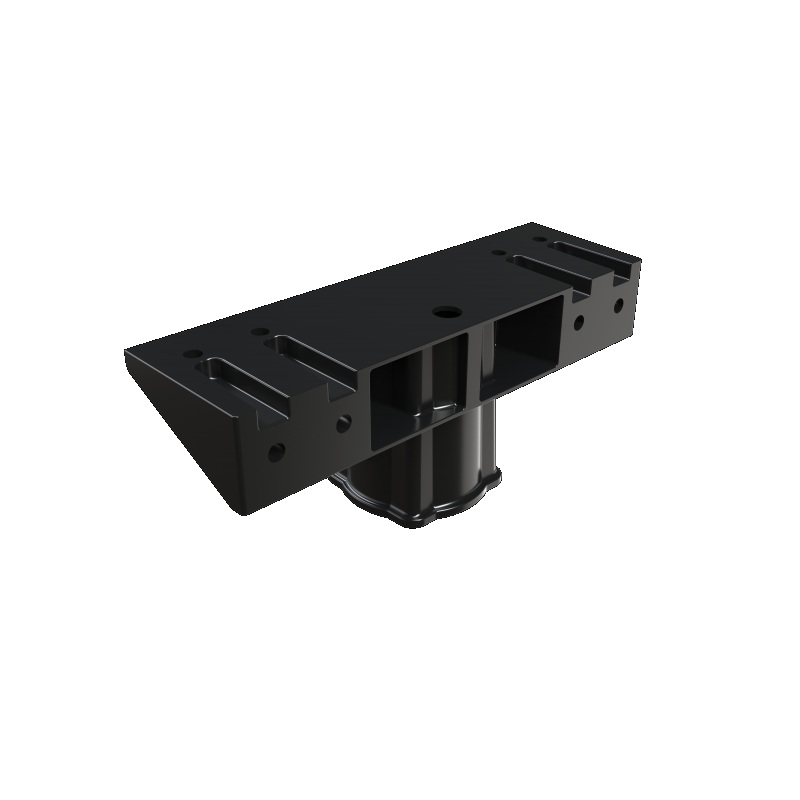
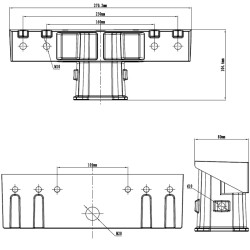
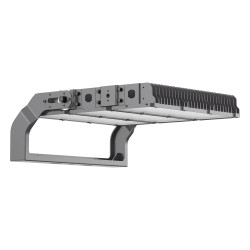
Bracket designed for installing a medium-power floodlight on a compatible Ø60 mm pole top. The mounting plate, fasteners and pole capacity must still be checked.
View the TOP 60 bracketTo be validated for each project: pole reference and height, pole-top diameter, number of floodlights, weight, SCx, offsets, orientations and wind conditions.
Layout and visual comfort
With poles from 4 to 12 m, floodlights may be close to players, nearby residents or traffic routes. The choice of optics and tilt angles therefore becomes critical.
STADÉLUM method
Dimensions, sport, setback, fencing, surroundings, site access and foundation locations.
Required illuminance, uniformity, uses and any control scenarios.
Number of poles, positions, heights, floodlights, optics and aiming directions.
Weight, projected surface areas, offsets, bracket, mounting and design wind speed.
Foundation, anchorages and soil conditions to be validated for the actual site configuration.
Point requiring attention
The manufacturer's documentation specifies that the foundations are provided for guidance based on a bearing pressure at the bottom of the excavation of 2 bars. They must not be used automatically as execution drawings.
The foundation and anchorages must be confirmed according to the pole reference, installed loads, wind conditions, soil and project constraints.
Technical resources
The documentation presents references, heights, weights, dimensions, permissible surface areas according to wind conditions and foundation guidance.
Frequently asked questions
It can be considered for multi-sport outdoor courts, tennis courts, pétanque courts and other local outdoor sports facilities. The height and layout must be adapted to the actual site.
The choice depends on the dimensions of the sports area, setback, optics, projection distances, required illuminance, uniformity and visual comfort.
Pole-top equipment must be defined according to the floodlights and layout. The bracket or crossarm must be identified during the project and then confirmed with the pole reference.
The permissible surface area tables must be compared with the weight and projected surface area of the complete pole-top assembly, taking into account the wind speed and category corresponding to the site.
No. They are provided for guidance only. The foundation and anchorages must be confirmed according to the loads, wind conditions, soil and rules applicable to the project.
The height and position of the poles influence aiming, uniformity, glare, spill light and the required power.
Your outdoor project
STADÉLUM studies the layout, height, optics, aiming, loads, wind exposure and pole-top equipment before proposing a configuration.
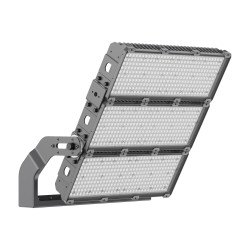
SMASH Floodlight for Tennis Courts The...
CONICA 20000 is a cylindrical-conical pole designed for lighting multi-sport courts, tennis courts, pétanque areas, and local sports facilities. The STADÉLUM range offers heights from 4 to 12 meters, allowing the installation to be tailored to the court dimensions, projection distances, and desired visual comfort. The specific model selected also depends on the number of floodlights, their weight, their wind-exposed surface area, and the equipment installed at the mast head. Each configuration must be verified against photometric analysis, site conditions, and civil engineering constraints.